The Light of Liguria
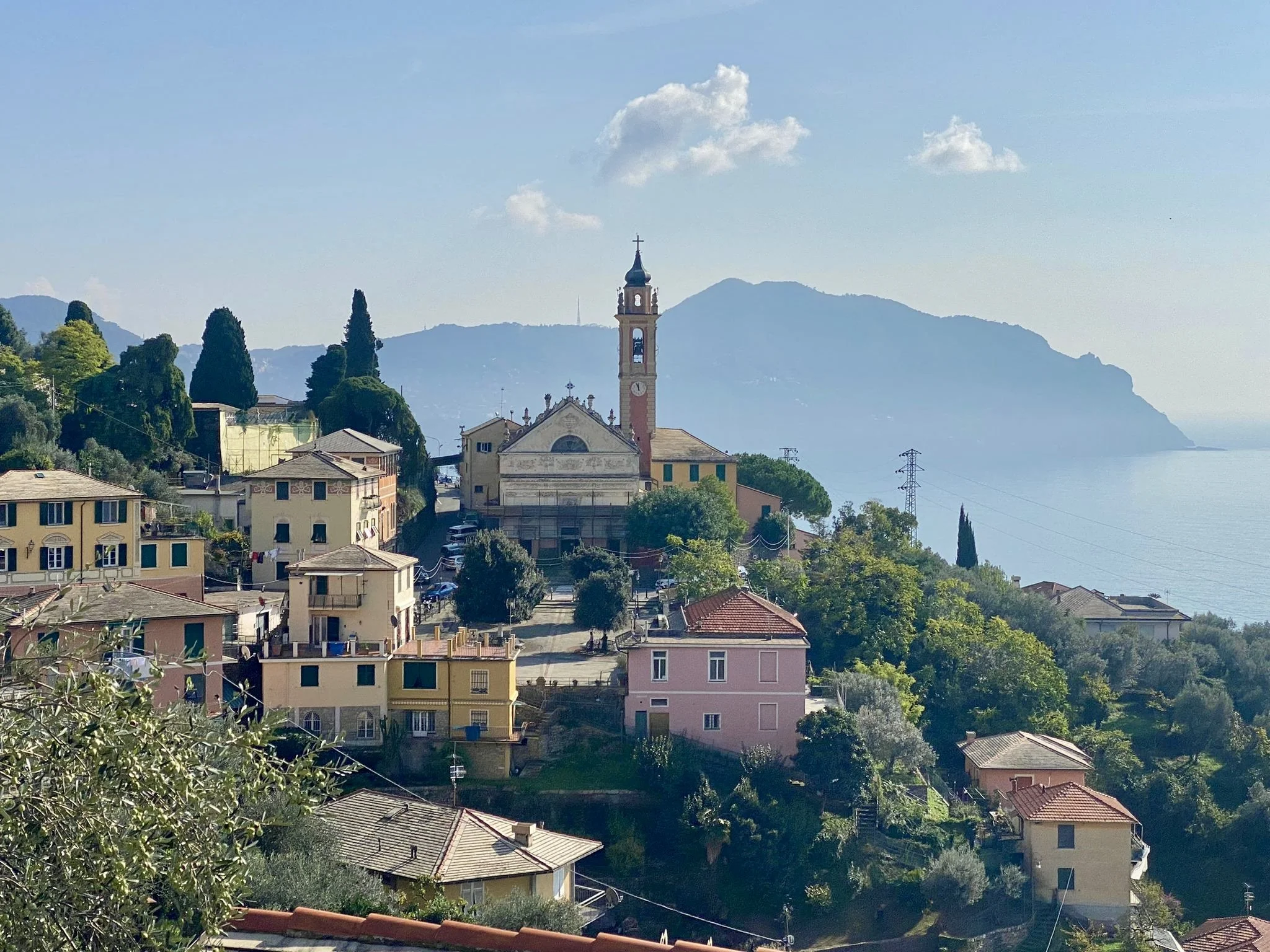
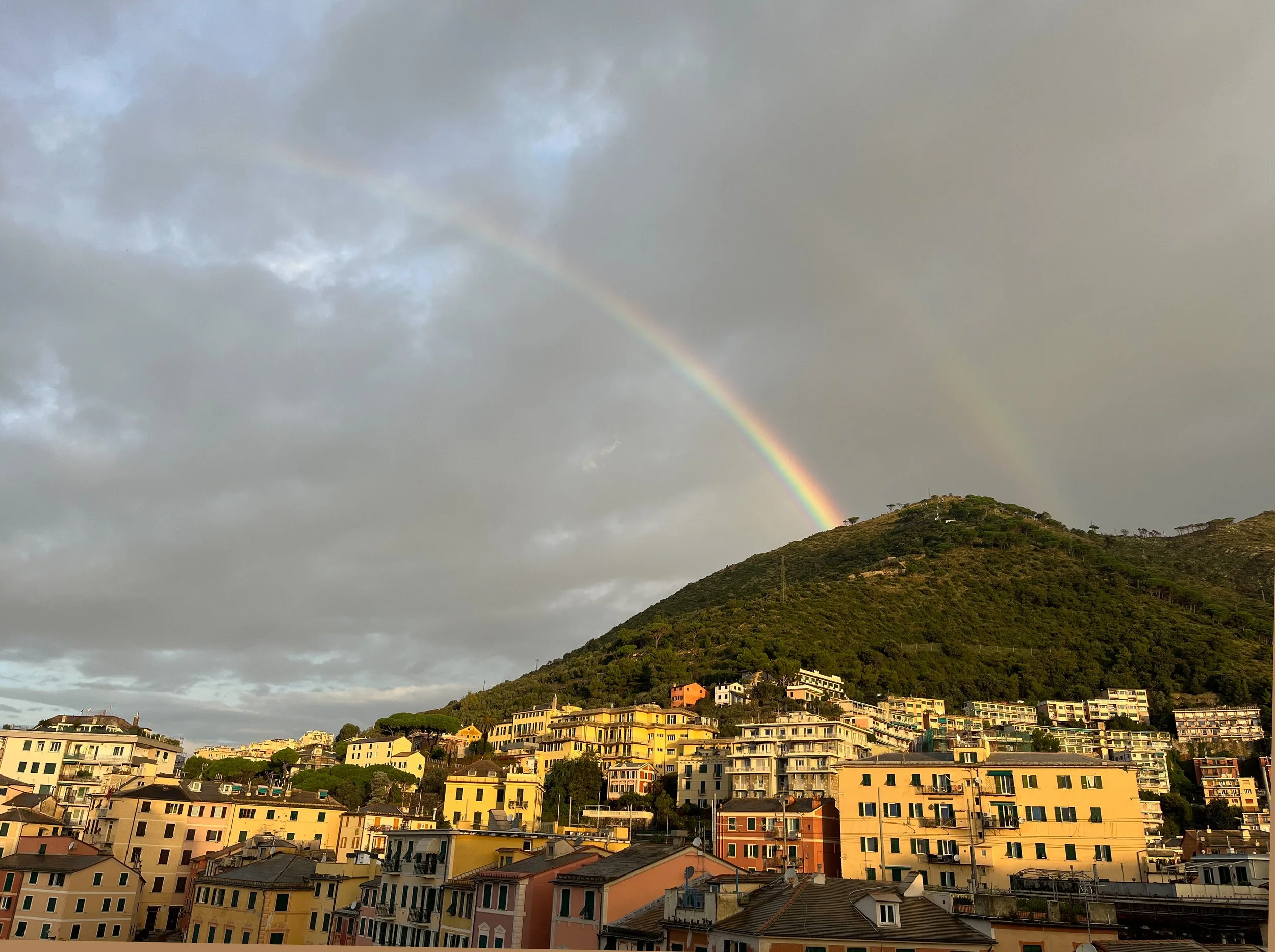
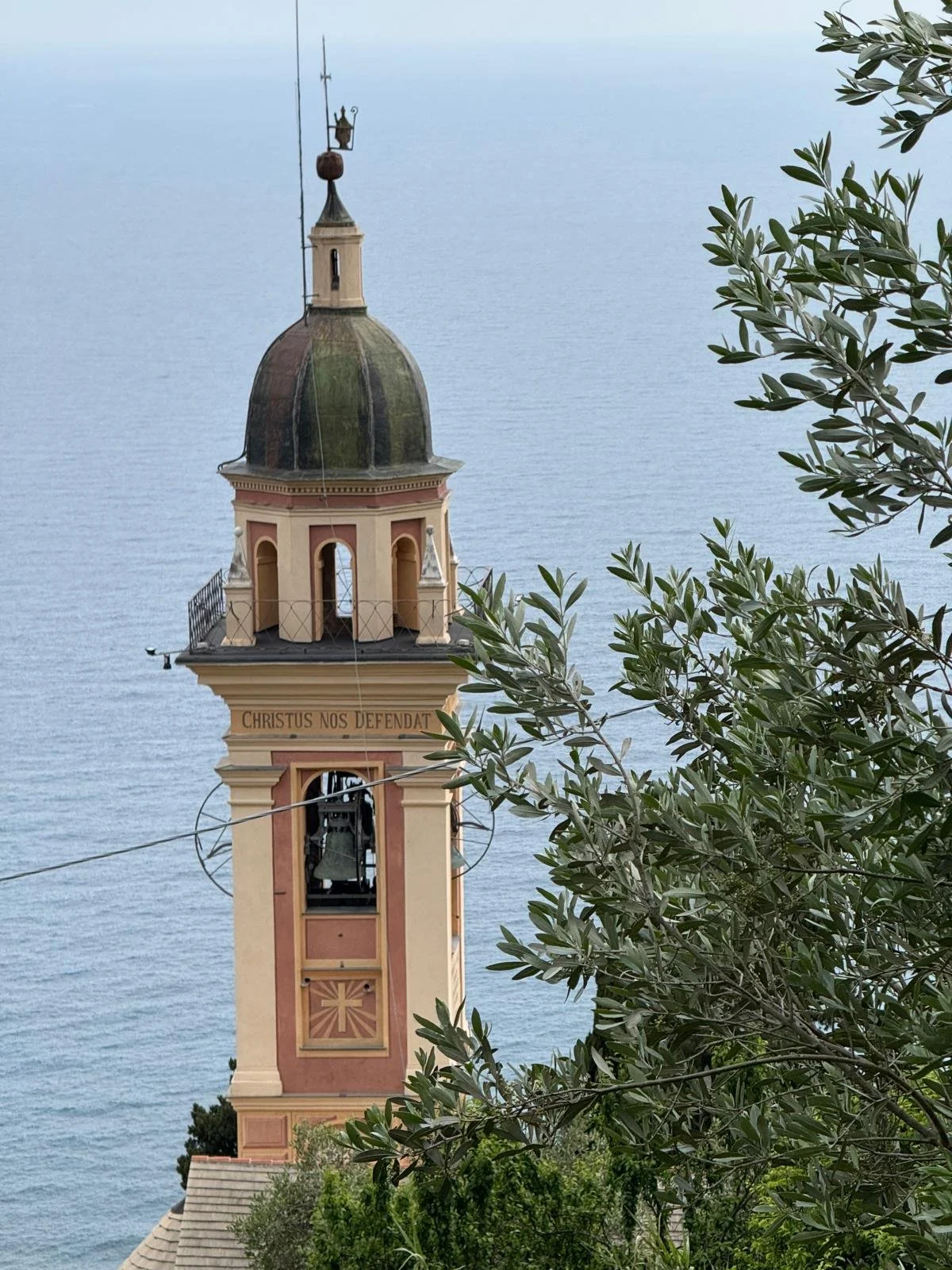
Poggio Favaro – San Bernardo,
Golfo Paradiso, Liguria
Liguria is often remembered for its painted houses and coastal villages, but what makes them so distinctive is not colour alone. It is the light. Sea haze, clear air after wind, and sudden brightness after rain constantly change the way facades, church walls, and old buildings are seen along the Ligurian coast.
That is what makes Ligurian colour so interesting. It is never static. The same building can look muted, luminous, soft, or sharply defined depending on the weather, the hour, and the atmosphere.
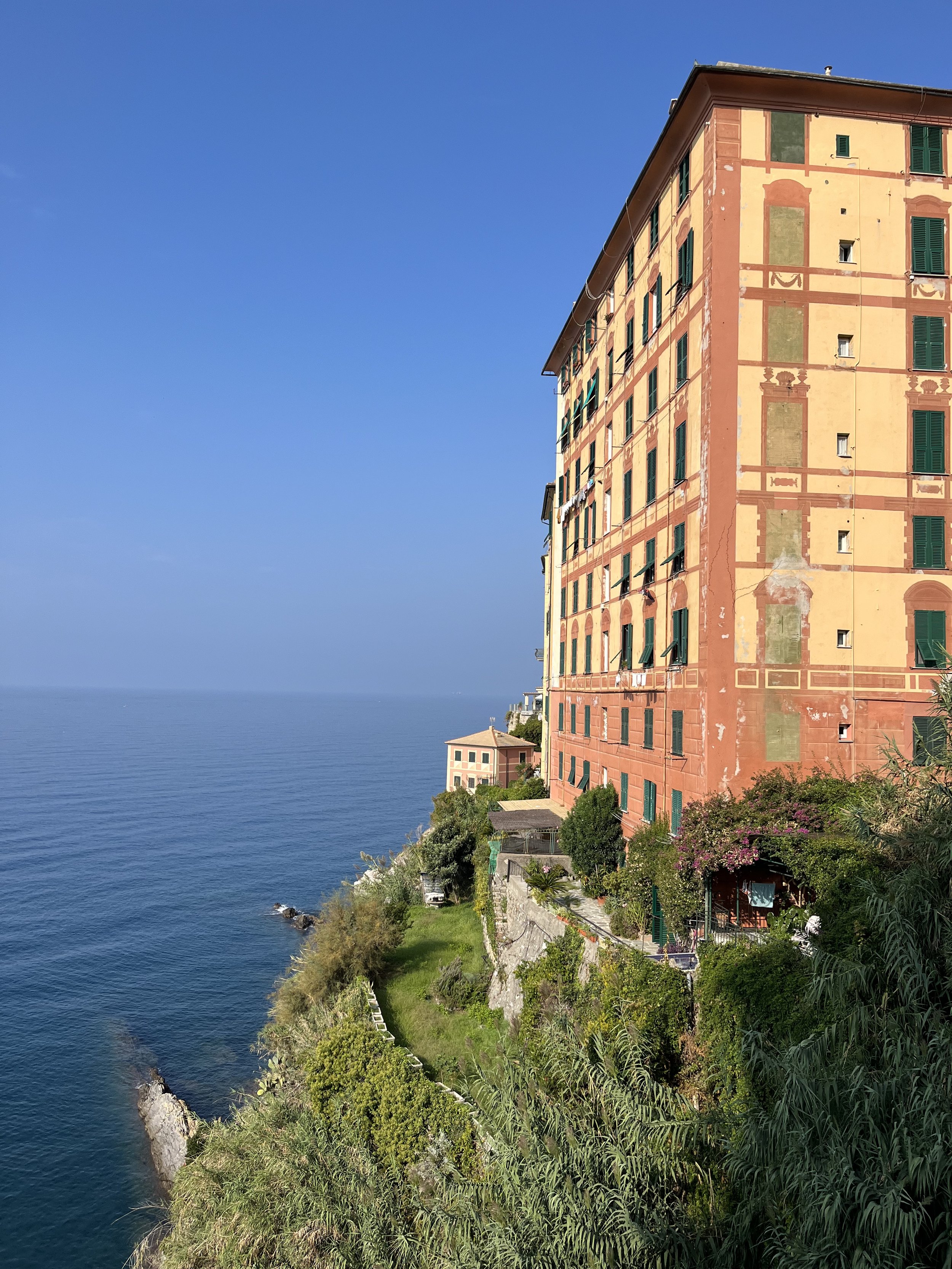
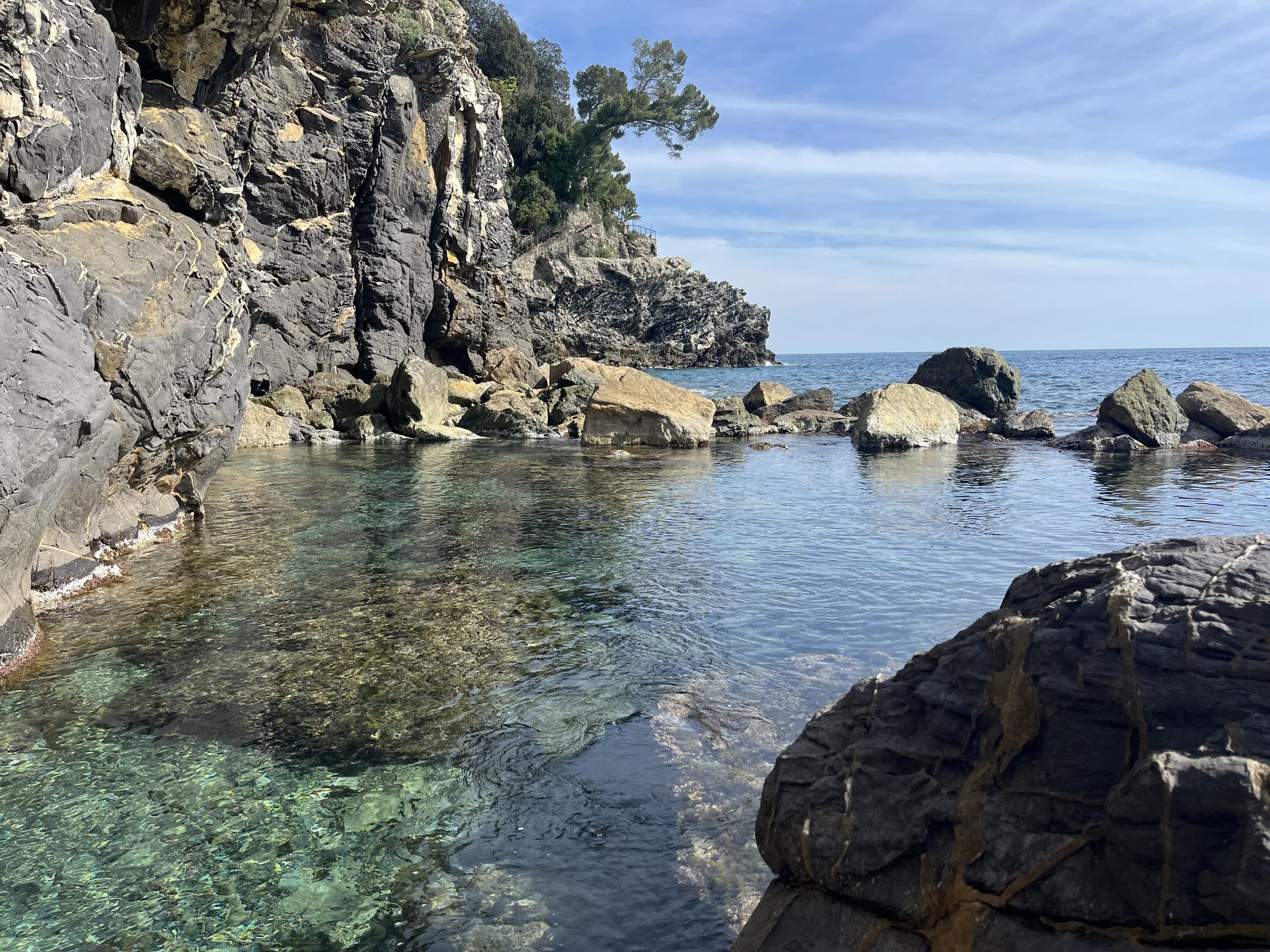
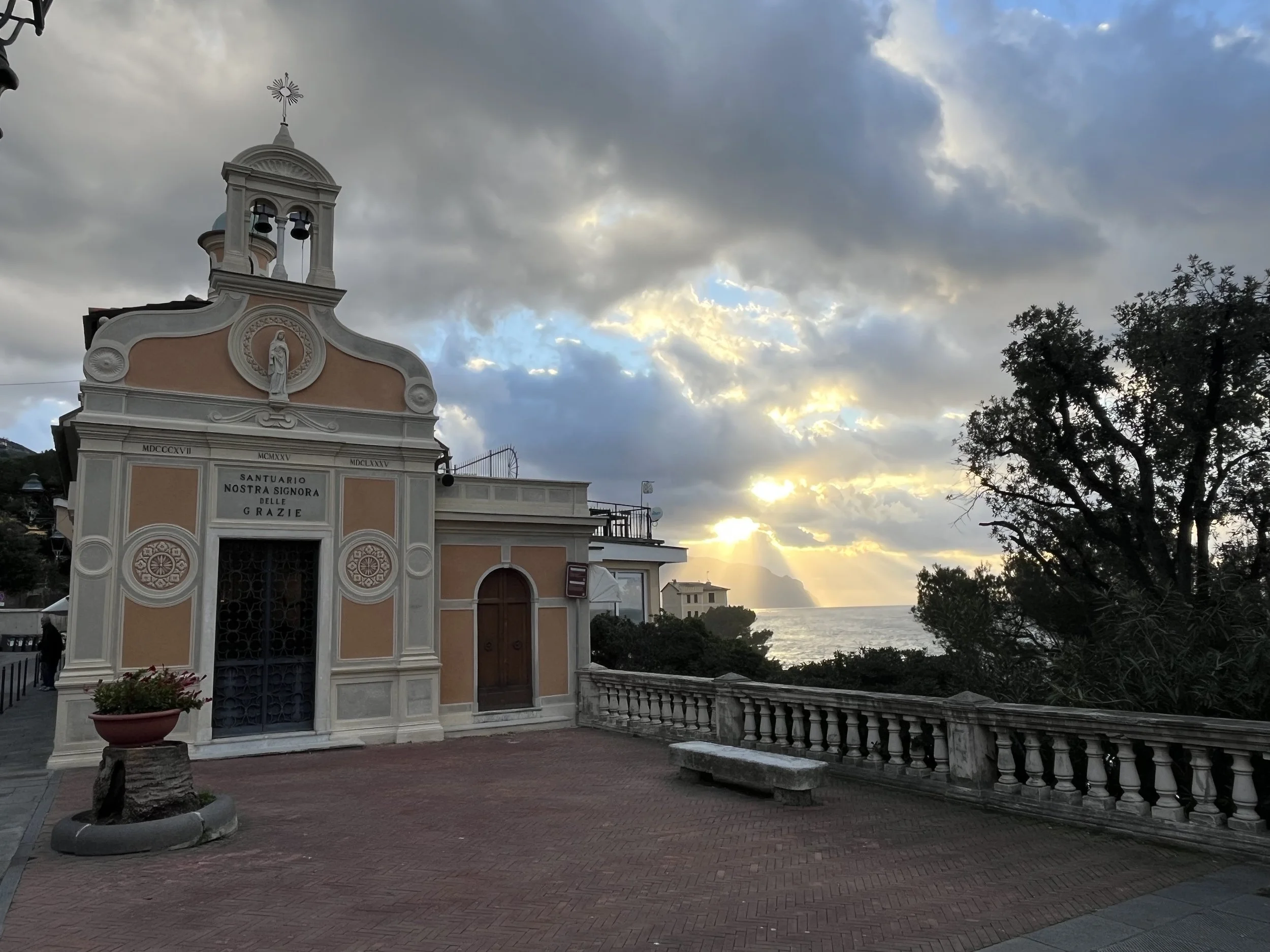
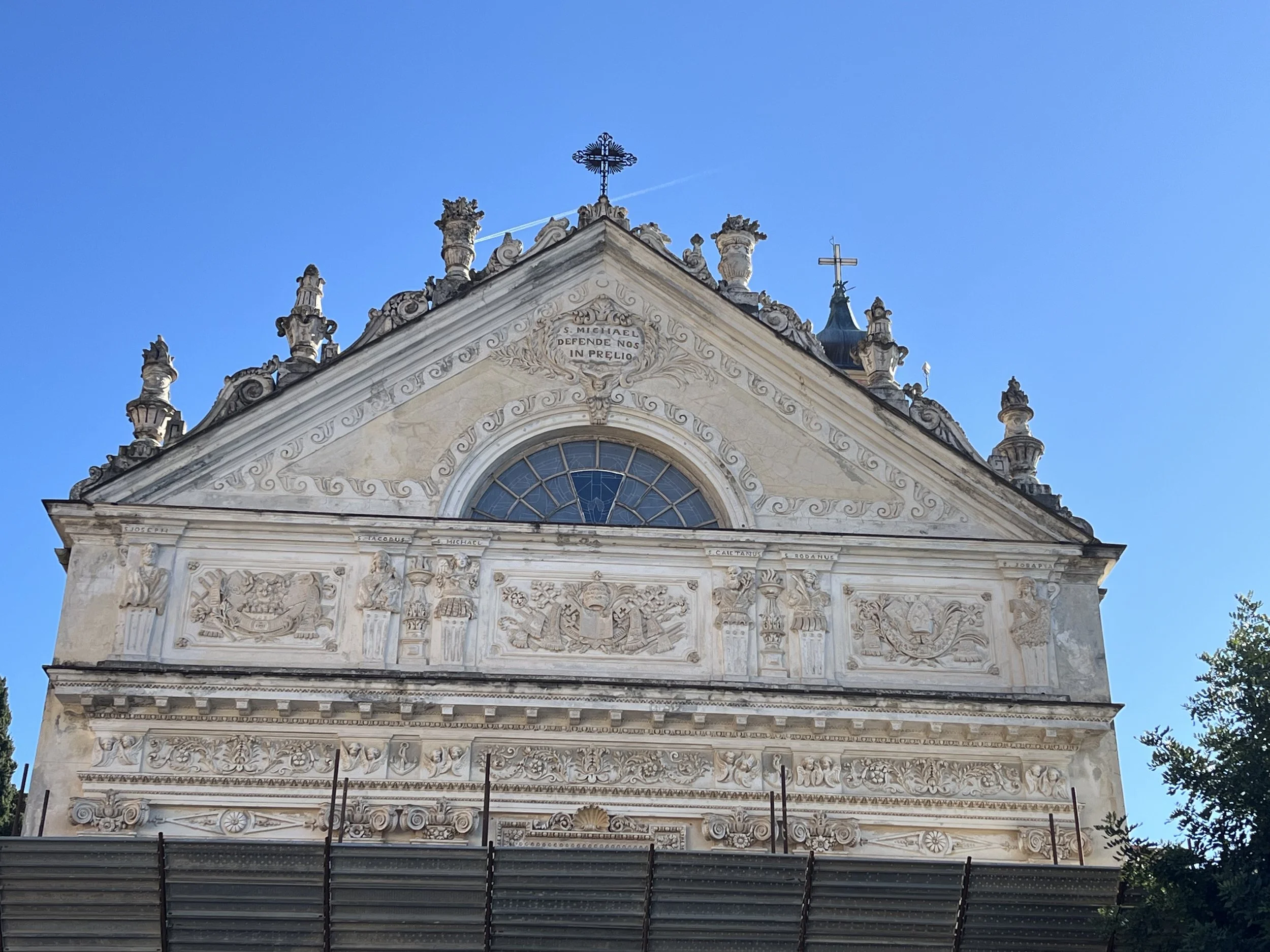
Painted facade above the sea,
Camogli, Liguria
From afar, Ligurian light gives an entire village its atmosphere. Up close, it starts to do something more interesting: it reveals how these buildings are made to live with light. In Camogli, painted facades rise straight above the sea, exposed to open sky, salt air, and the changing brightness that comes off the water.
That is why their colours feel so alive. Ochres, terracottas, faded pinks, and soft stone tones do not sit heavily on the surface. They catch the light, soften in haze, and shift again as the day changes. Even before stepping inside, you can already sense the painted walls and decorative surfaces that run so deeply through Ligurian architecture.
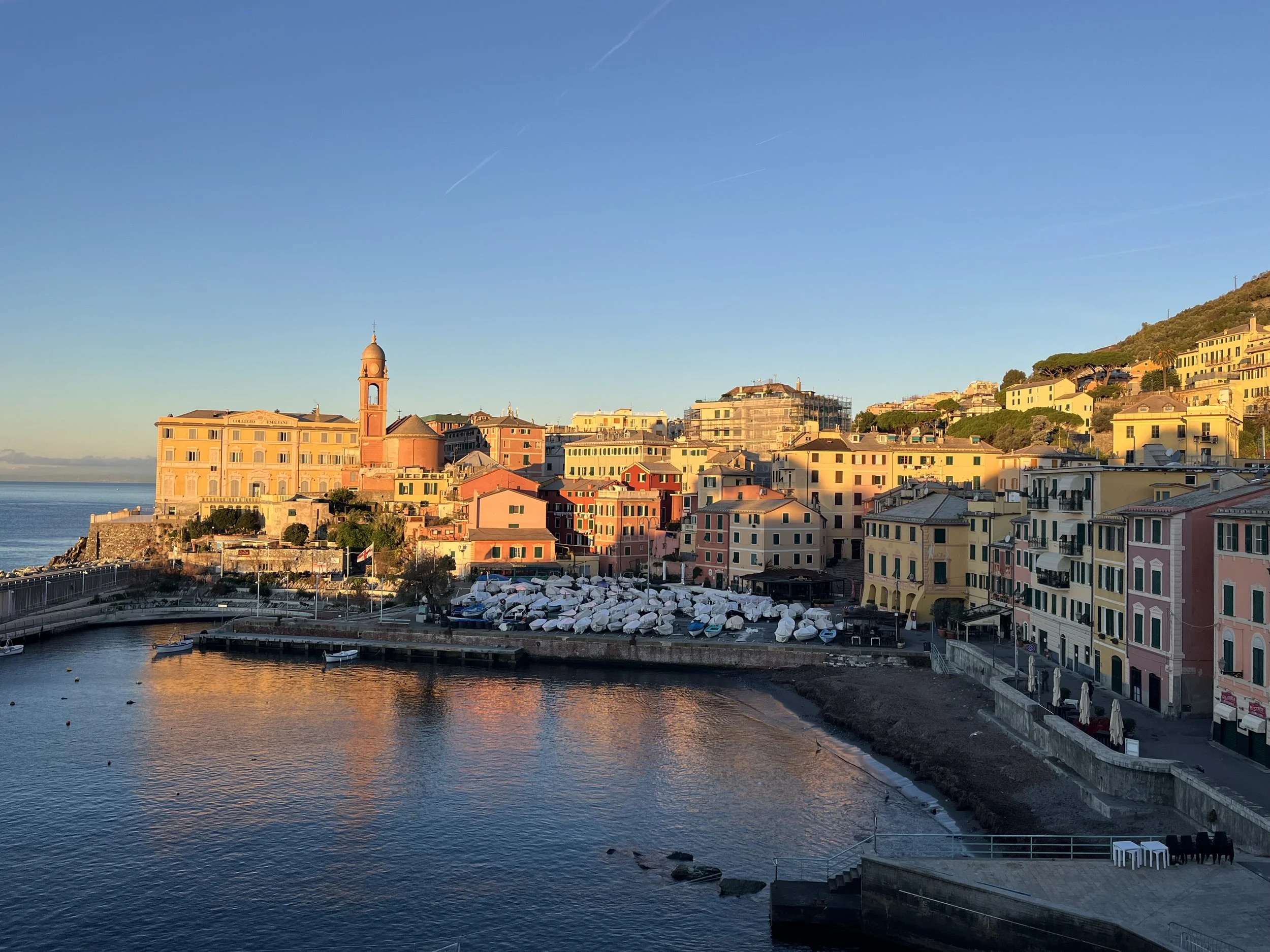
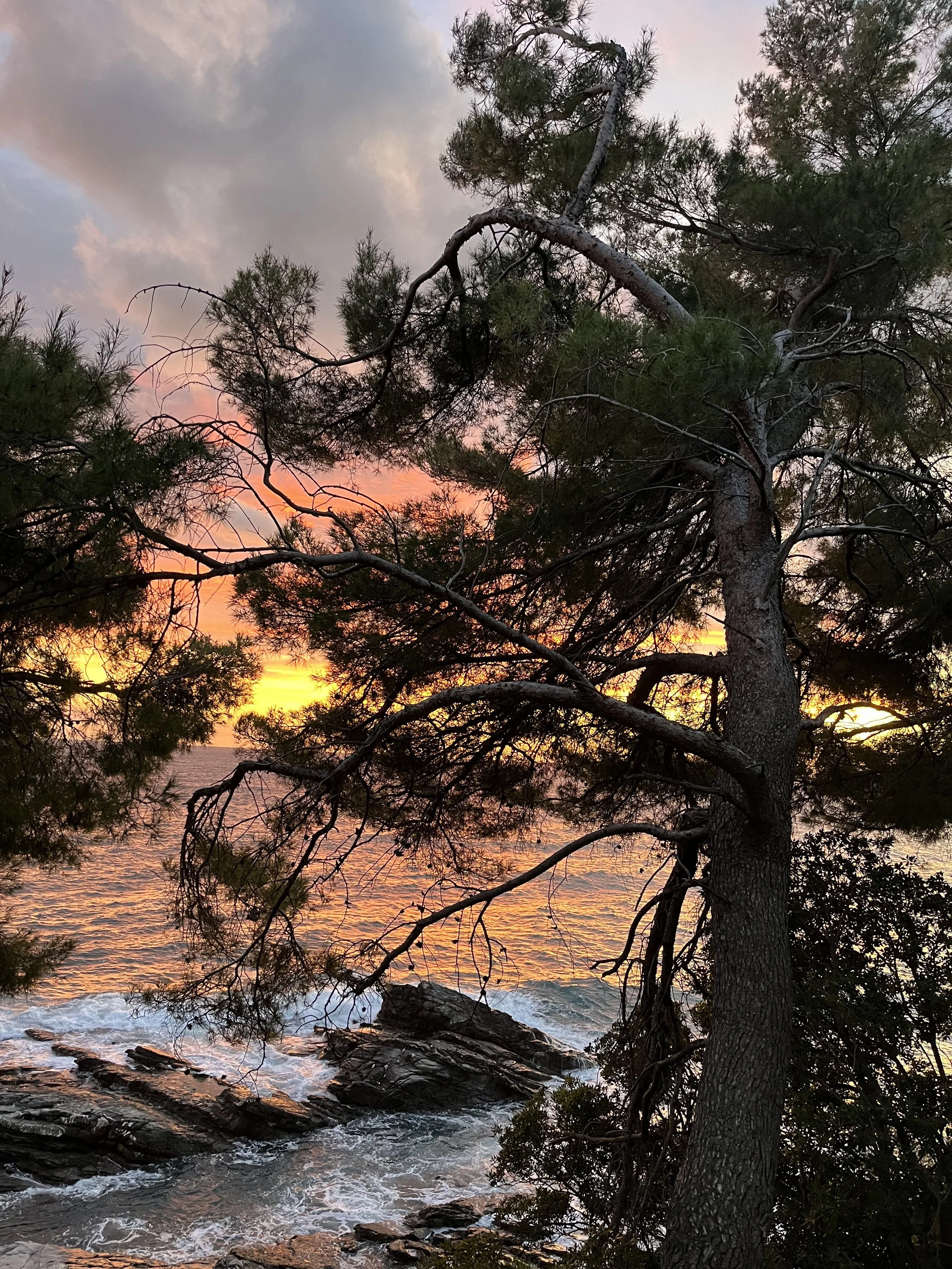
Evening light along the seafront, Genoa Nervi, Liguria
In places like Nervi, the colours of the buildings are only part of the story. What really gives them life is the way light keeps changing them. By evening, some surfaces catch warmth, others fall into shadow, and the whole row begins to separate into tone, reflection, and contrast.
That shifting quality matters. It is what gives painted walls their depth, and it is one of the reasons colour feels so alive in Liguria. Seen from the outside, these buildings already suggest a broader tradition of painted surface — one that continues beyond the facade itself.
Colour, in this way of thinking, shapes experience. It influences how a room holds light, how it settles at different times of day, how it affects mood without announcing itself. The spaces that remain with us are rarely defined by novelty. They feel grounded and layered.
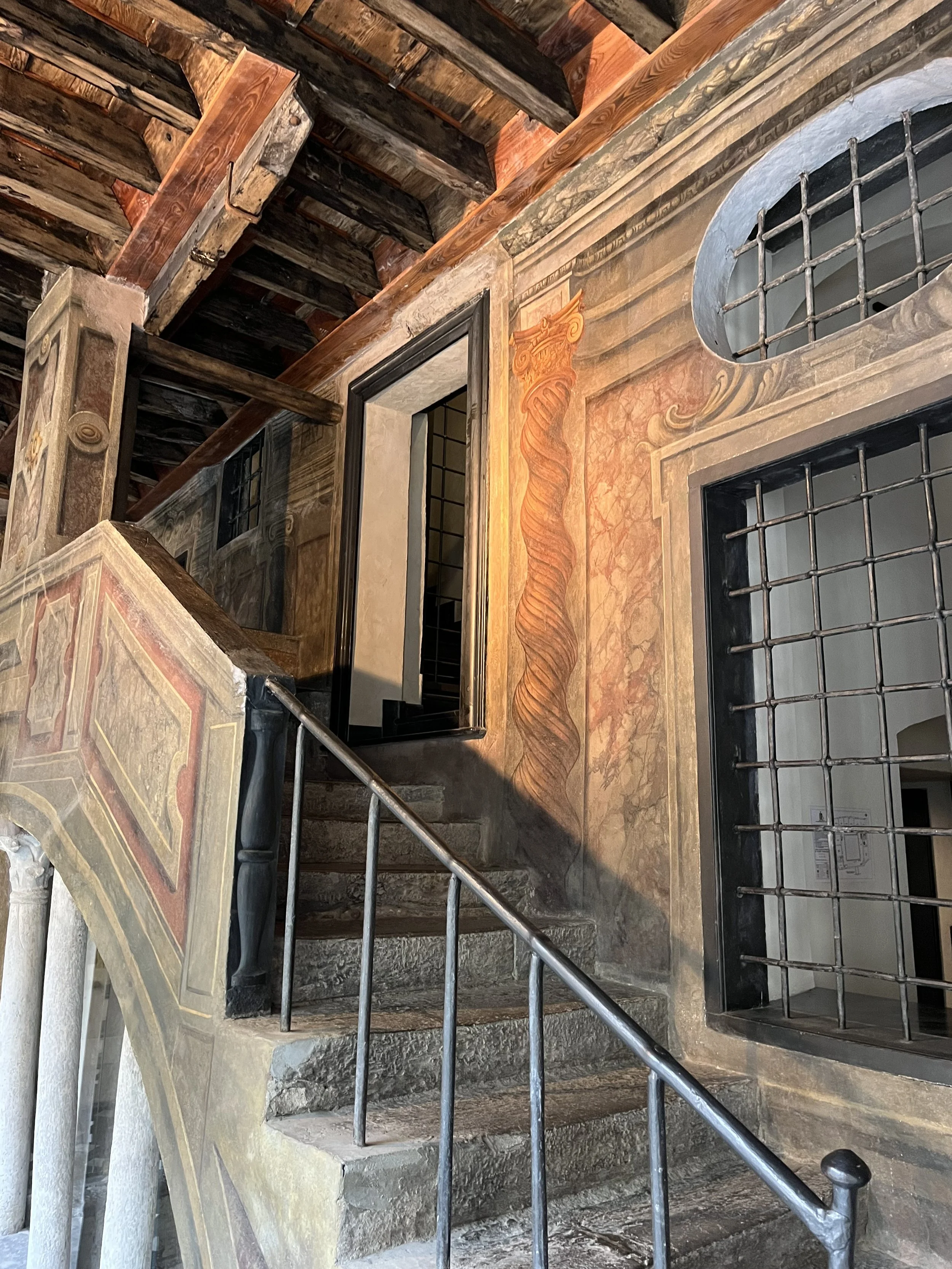
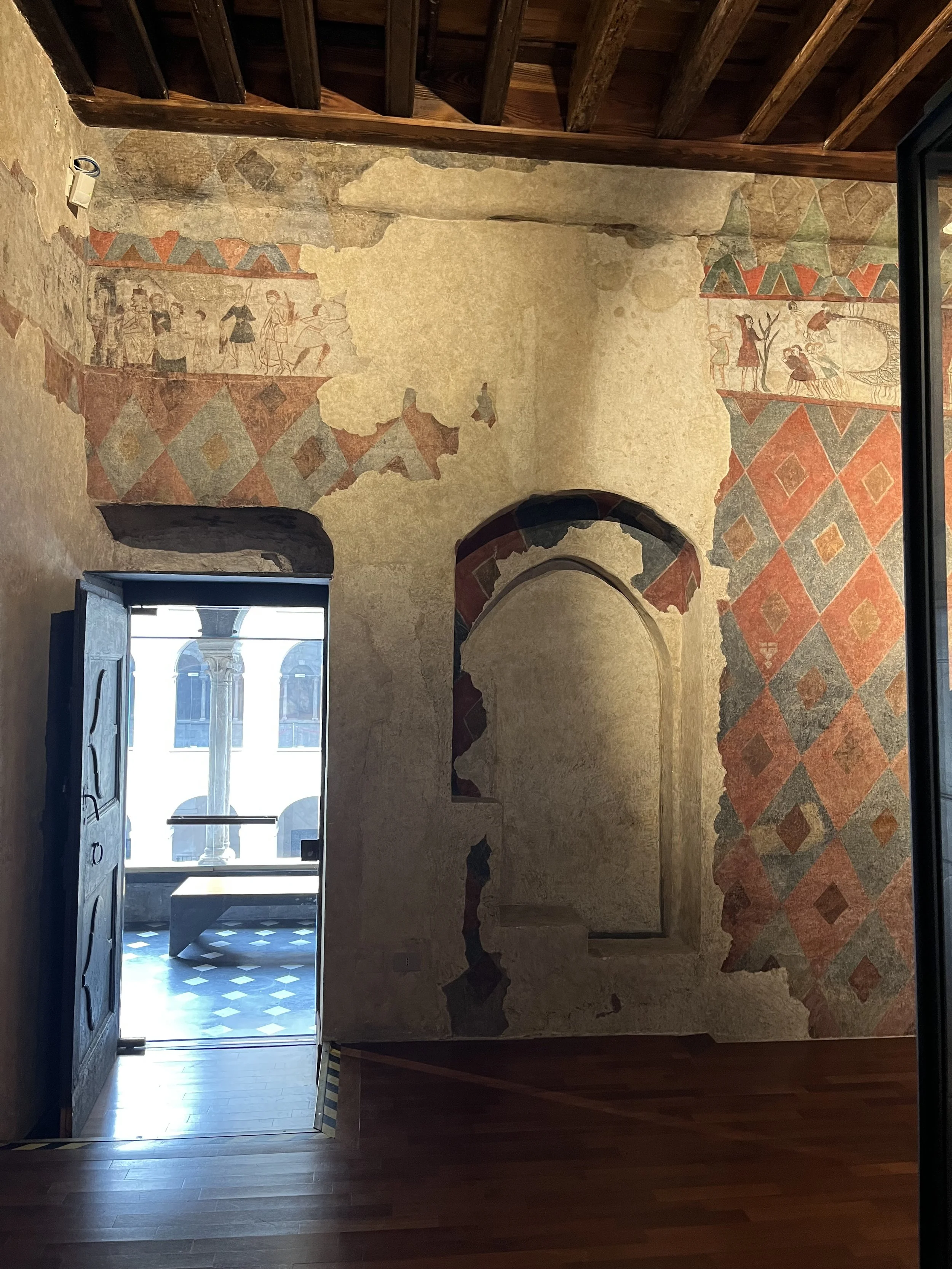
Painted courtyard walls, Museo Diocesano,
Genoa, Liguria
Away from the open seafront, the effect changes. Here the light is more contained and indirect, so the colours settle and the painted surface comes forward. Fresco, ornament, and wall decoration begin to matter more than shifting sky or reflection from the sea.
The palette remains recognisably Ligurian — warm, softened, and slightly muted — but the experience is more intimate. Instead of passing quickly across facades, the light lingers, and the eye begins to stay with the walls themselves.
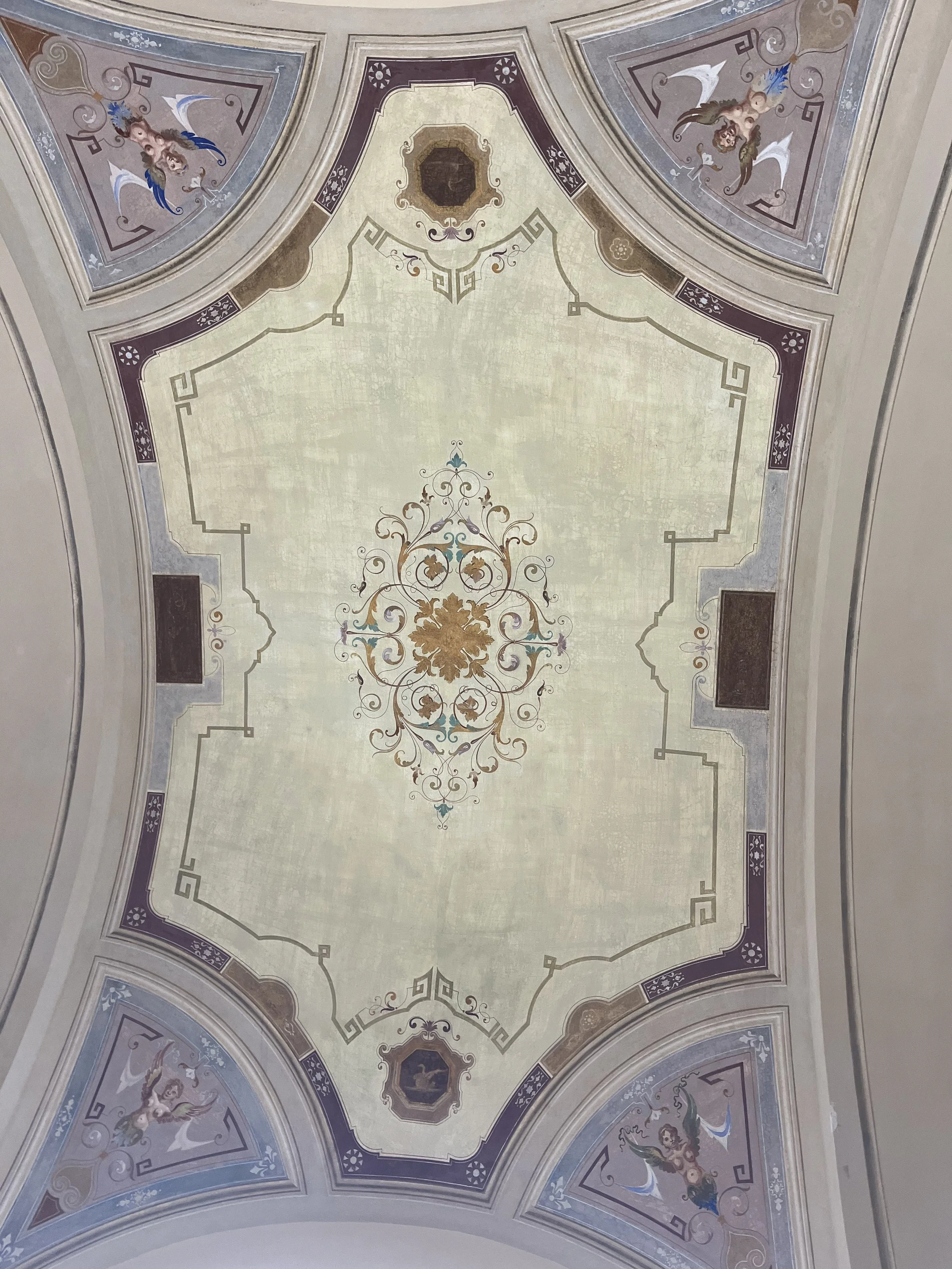
Ceiling frescoes in a Ligurian interior
Ceiling frescoes take the story further. Here, painting is no longer something seen on the outside of a building, but something built into the experience of the room itself. Colour becomes more ordered, more decorative, and more closely tied to pattern, ornament, and atmosphere.
That is why fresco matters so much in Liguria. In and around Genoa, painted ceilings and rooms were a central part of historic interiors, shaping not only how they looked but how they were felt. The colours may still relate to those seen outside, but indoors they become more composed and intentional.
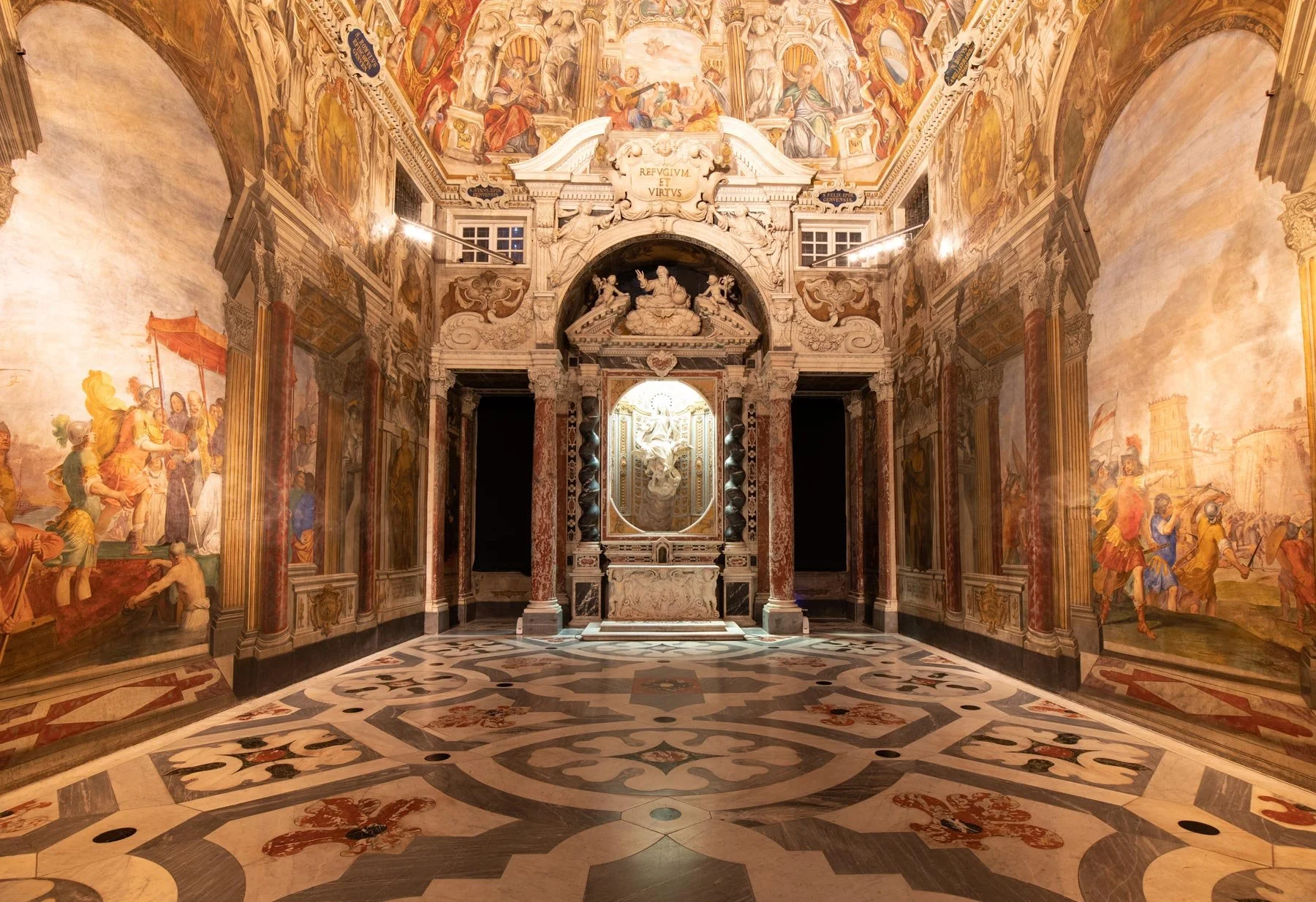
Frescoes by Giovanni Battista Carlone (1655)
The Doge's Chapel in the Ducal Palace (Genoa)
In Genoa, painted surface reaches its most ambitious form. What appears outside as colour on facades, and then inside as ornament on walls and ceilings, becomes here a complete interior language. Fresco is no longer a detail within the room; it helps define the room itself, extending architecture, directing attention, and turning colour into an immersive experience.
This is why Genoa’s palaces, chapels, and museums matter so much within the wider Ligurian picture. They preserve the region’s painted tradition at its most elaborate and accomplished. The scale is grander, the compositions more theatrical, but the same concerns remain: surface, tone, atmosphere, and the power of colour to shape how a place is felt.
From village facades to courtyard walls and painted ceilings, the same thread runs through it all: colour here is always being reshaped by the way it meets the light. Perhaps that is what stays with me most in Liguria: not colour on its own, but colour made visible, altered, and brought fully to life by light.